
Rome’s Rose Garden: Spring Ritual on the Aventine Hill
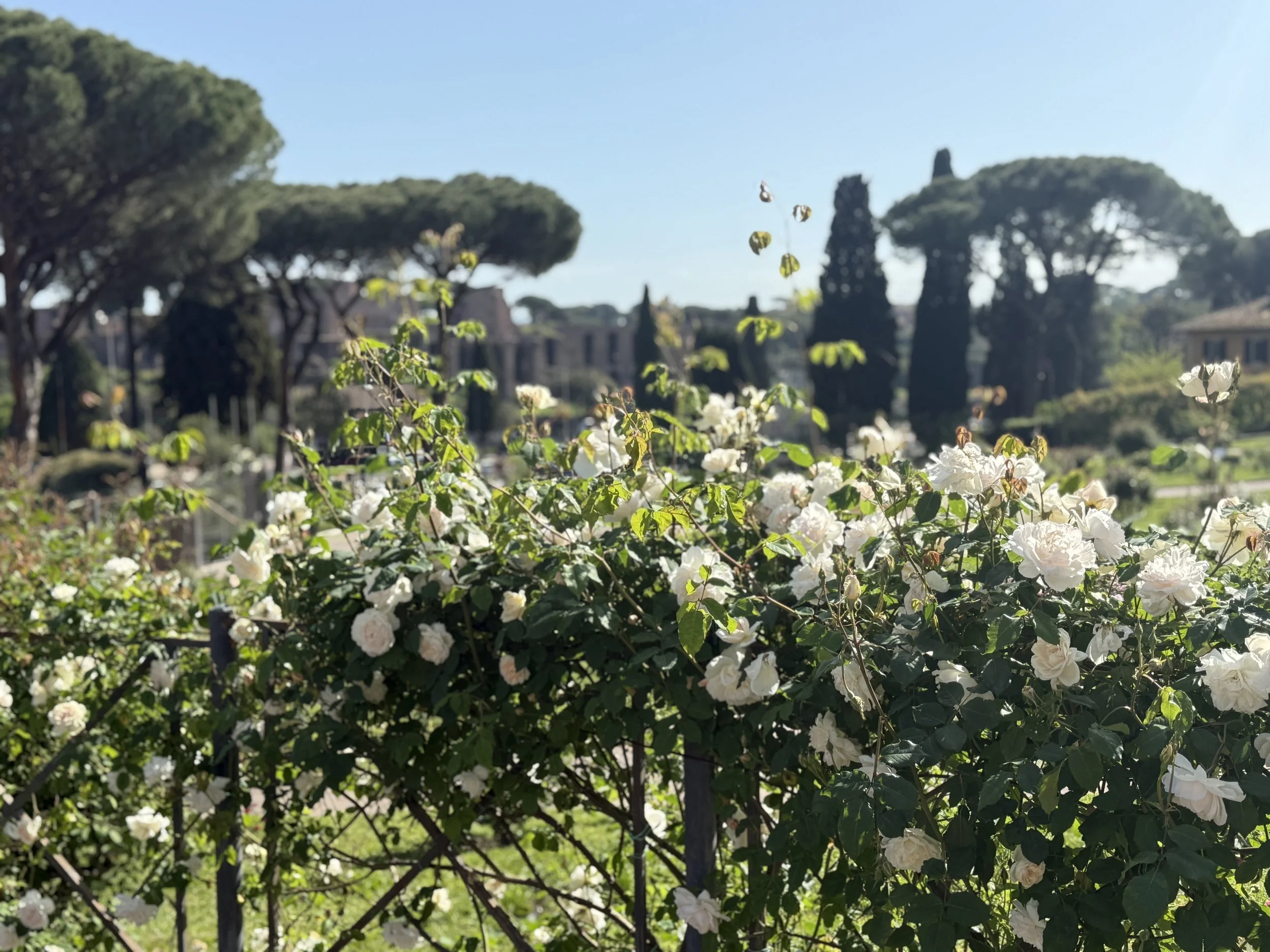
Each spring, for just a few short weeks, one of Rome’s most beautiful gardens quietly comes back to life.
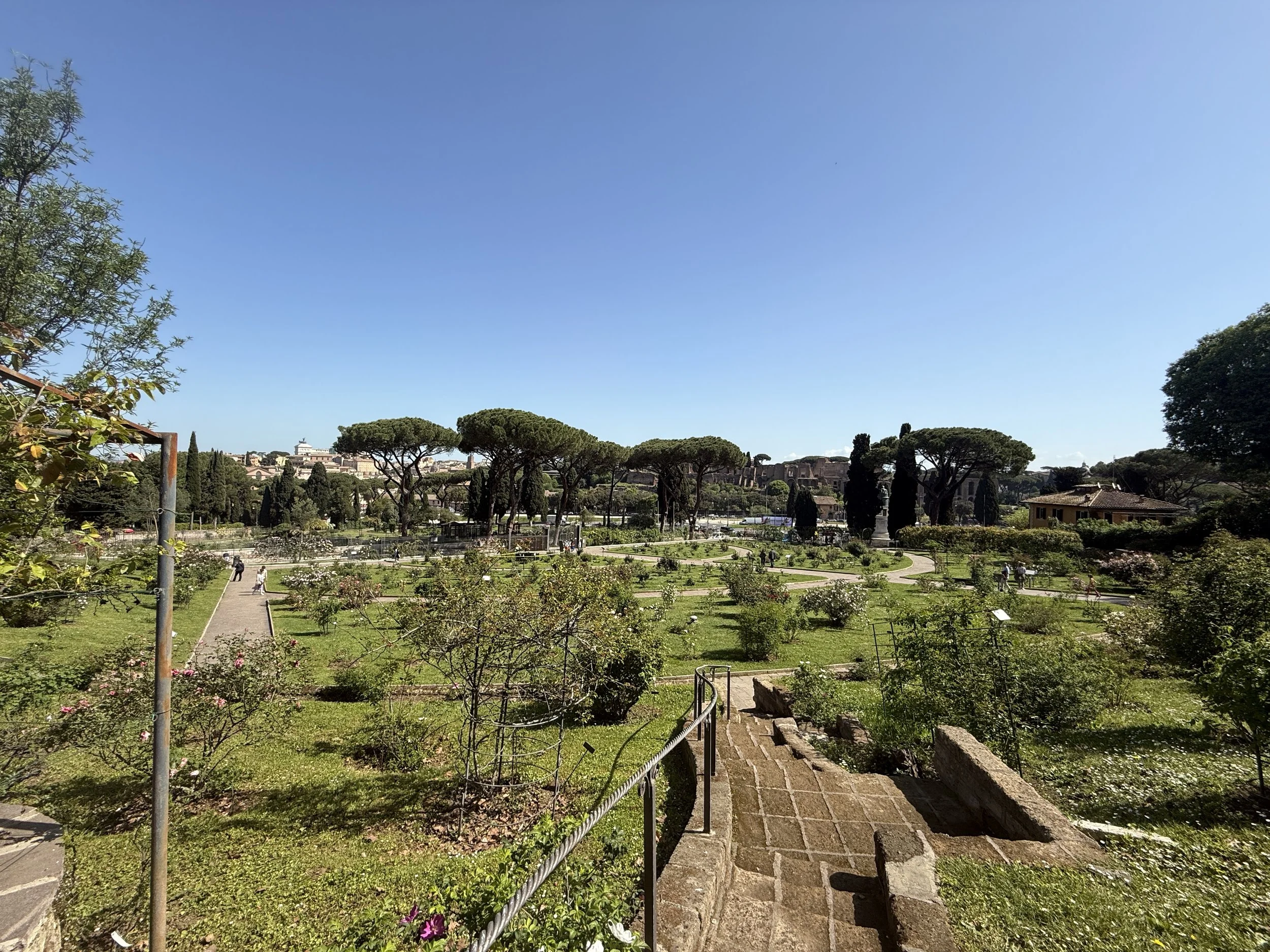
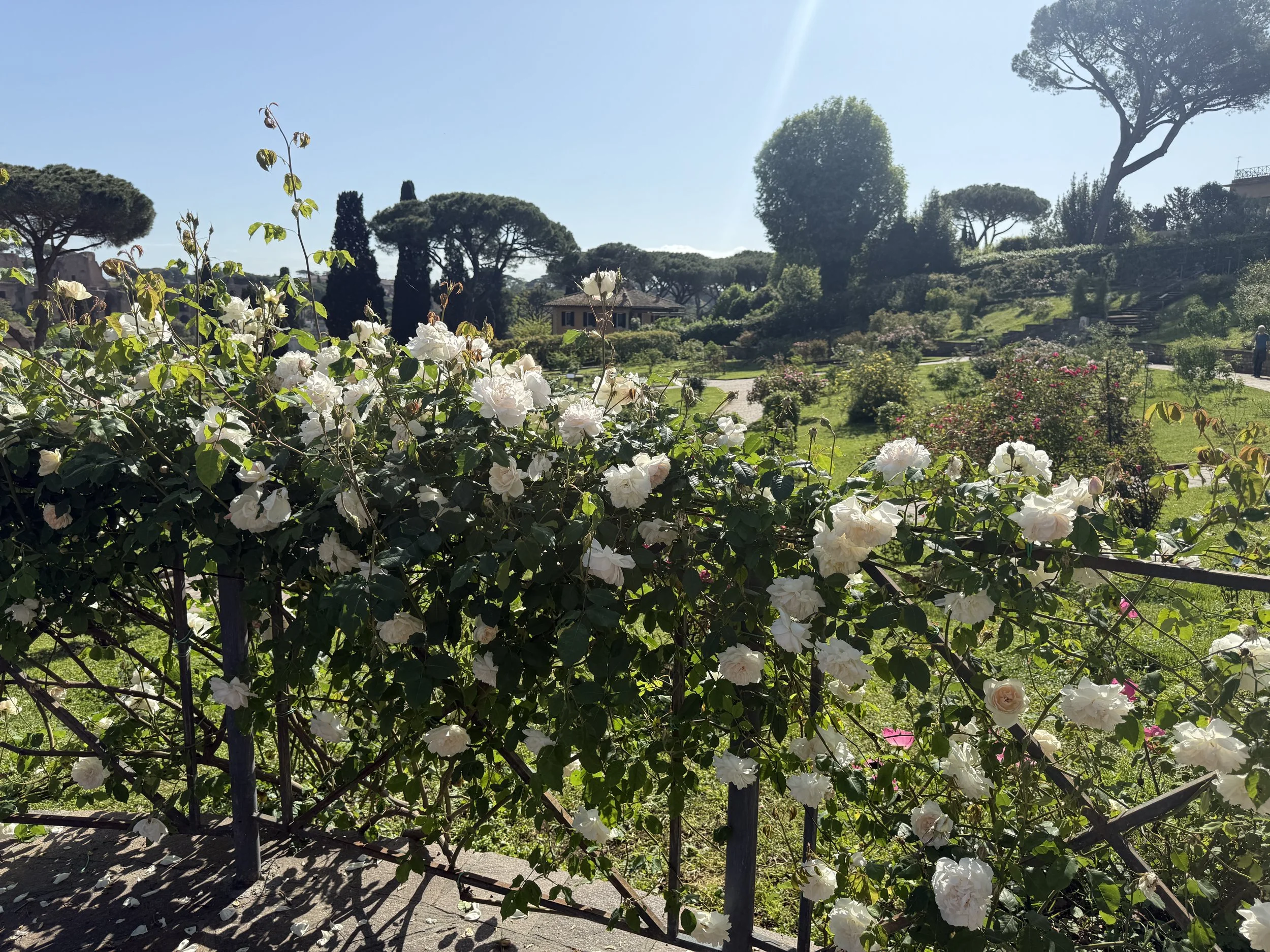
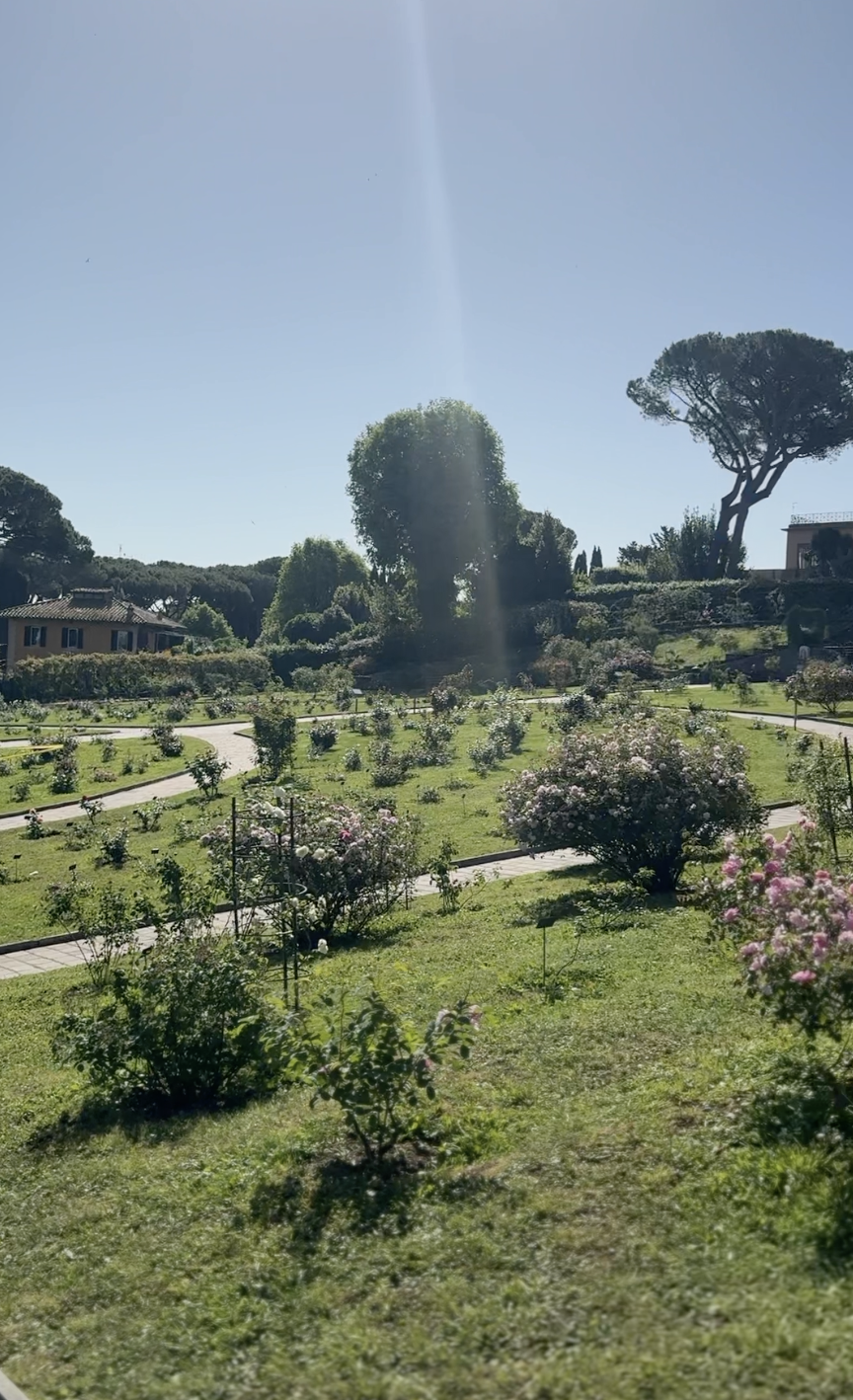
Tucked on the slopes of the Aventine Hill overlooking Circus Maximus, the Roseto Comunale di Roma, Rome’s Municipal Rose Garden opens its gates from late April through June, filling the hillside with colour, fragrance, and sweeping views across the city.It’s one of those places that feels surprisingly peaceful for being right in the heart of Rome. Just below the ancient ruins of the Palatine Hill and across from the long stretch of Circus Maximus, the garden unfolds into gentle terraces of roses, winding paths, and quiet benches shaded by umbrella pines.But what many visitors don’t realise is that this garden carries a deeper history - one rooted in Rome’s Jewish past.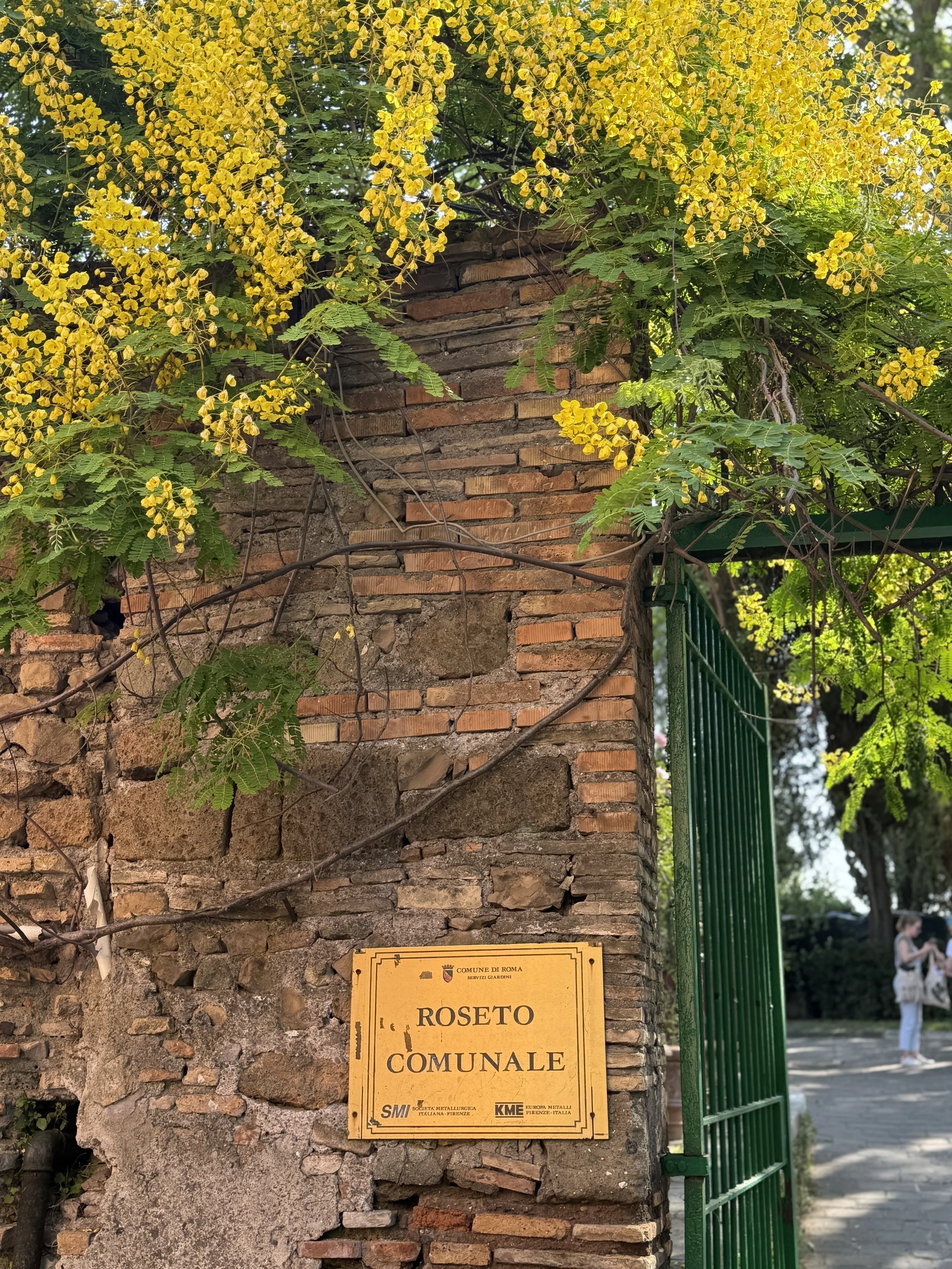
A Garden with a Memory
Before becoming a rose garden, this hillside was once home to Rome’s Jewish cemetery. From 1645 until the early 20th century, the land served as a burial ground for the Jewish community, located just outside the ancient city walls. When the cemetery was relocated in the 1930s, the land remained unused for many years. After World War II, when the city decided to create a rose garden here in 1950, the design was intentionally shaped to honour the site’s Jewish heritage. Instead of straight paths or formal geometric beds, the garden’s pathways were laid out in the form of a seven-branched menorah, the ancient symbol of Judaism. If you look carefully from above, the curved walkways trace the shape of the menorah through the garden. At the entrance, a small plaque commemorates the Jewish cemetery that once stood here, a quiet reminder that the garden is not only a place of beauty, but also one of remembrance. 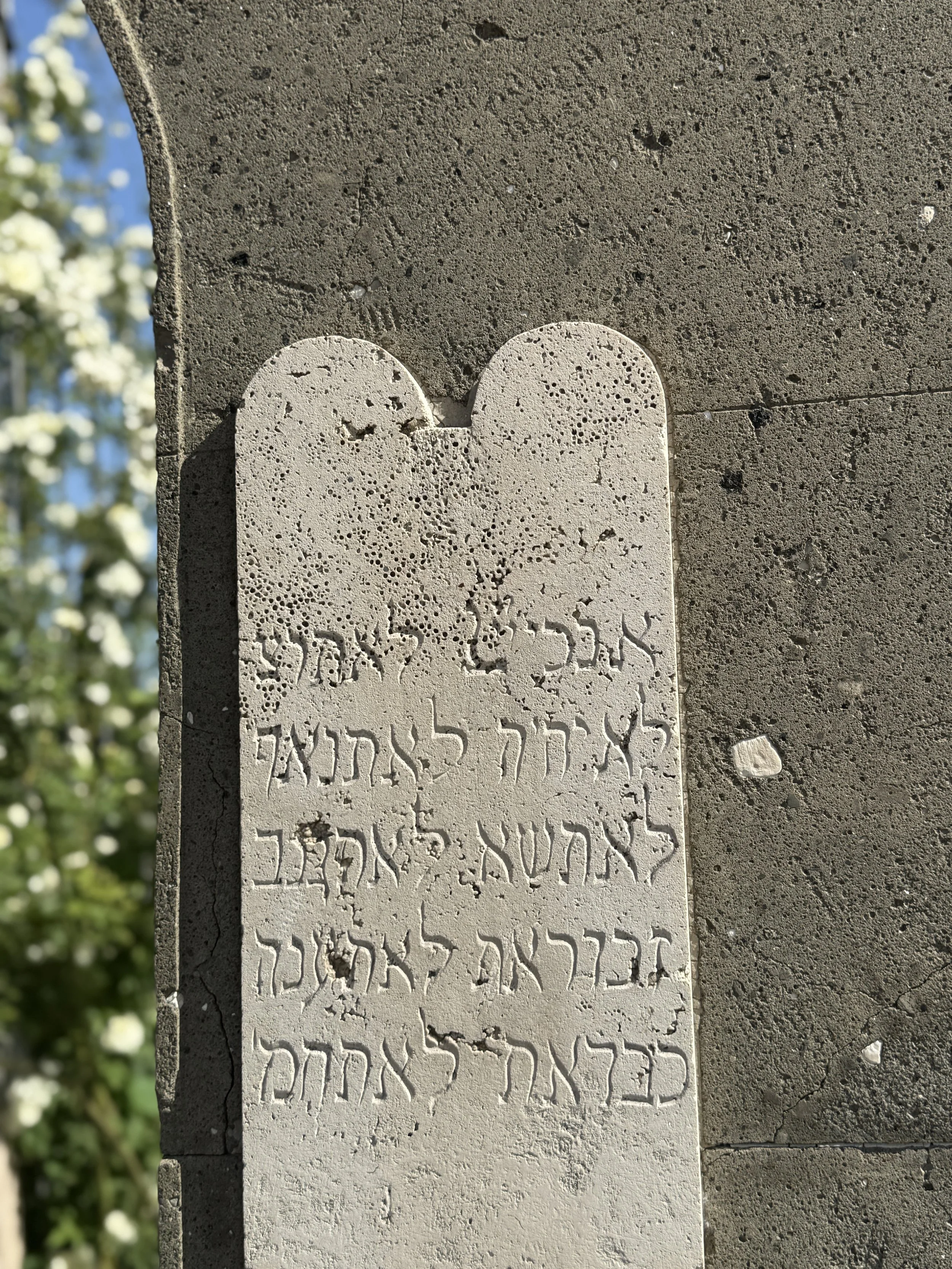
Over a Thousand Varieties of Roses
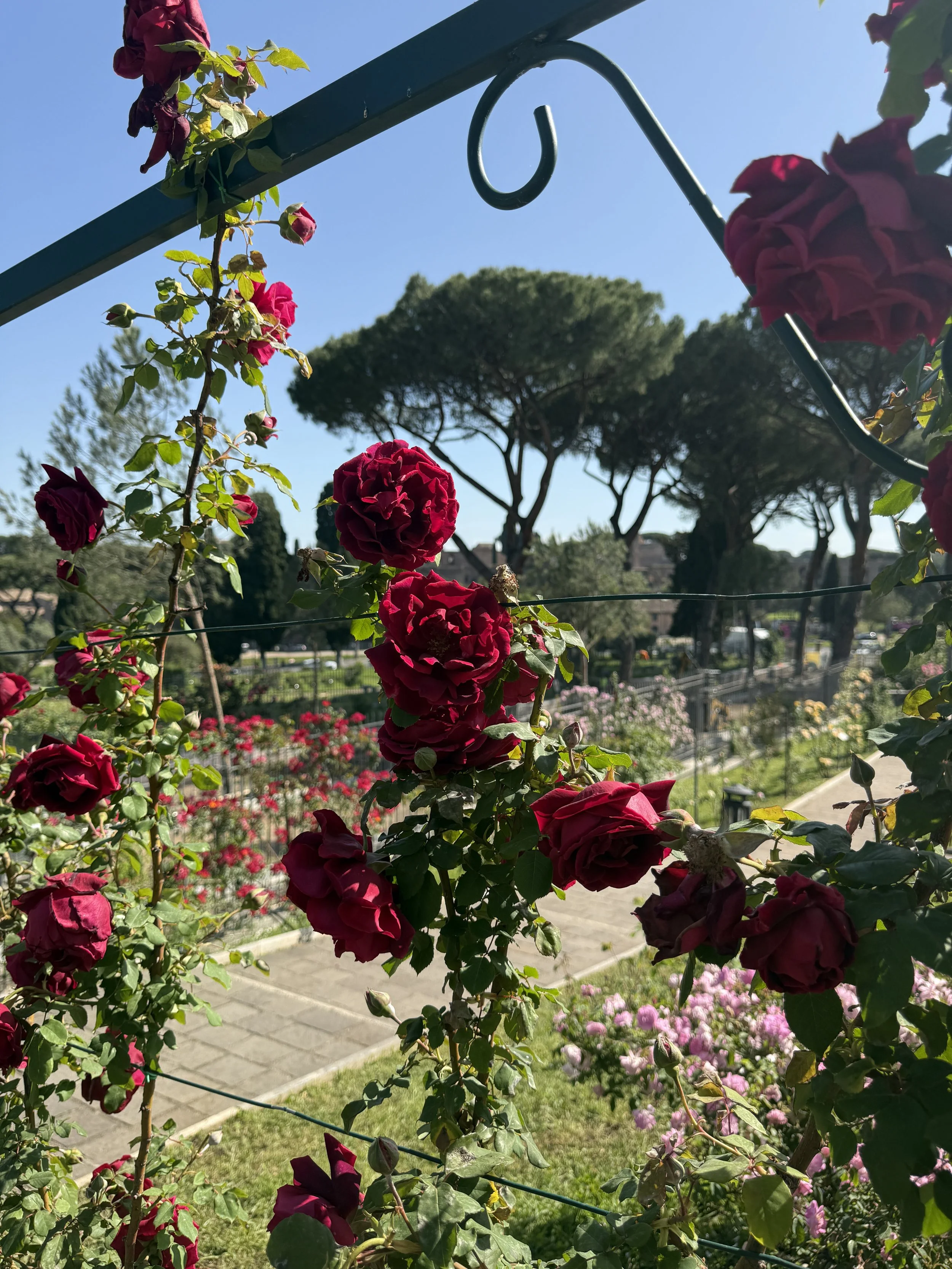
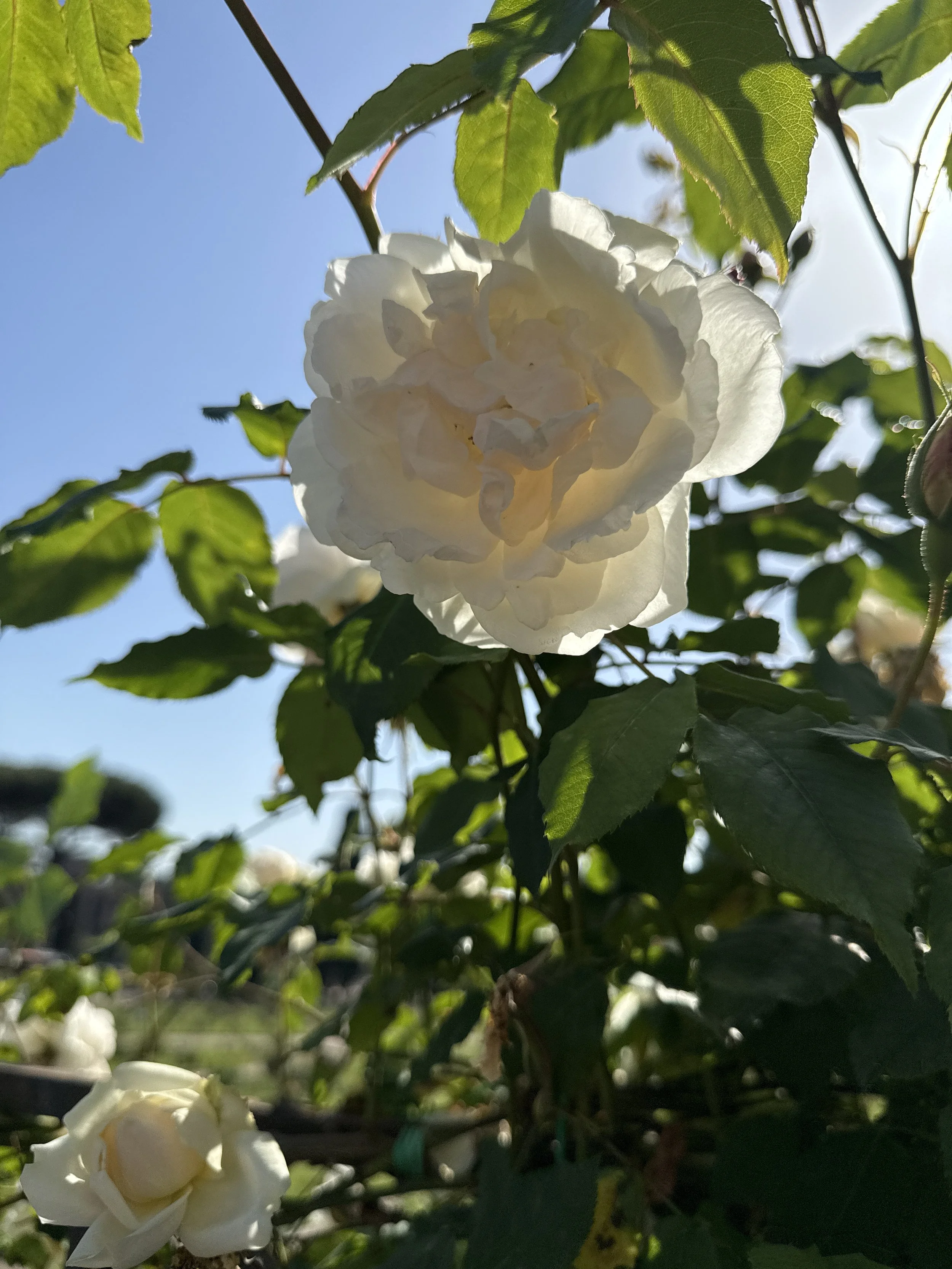
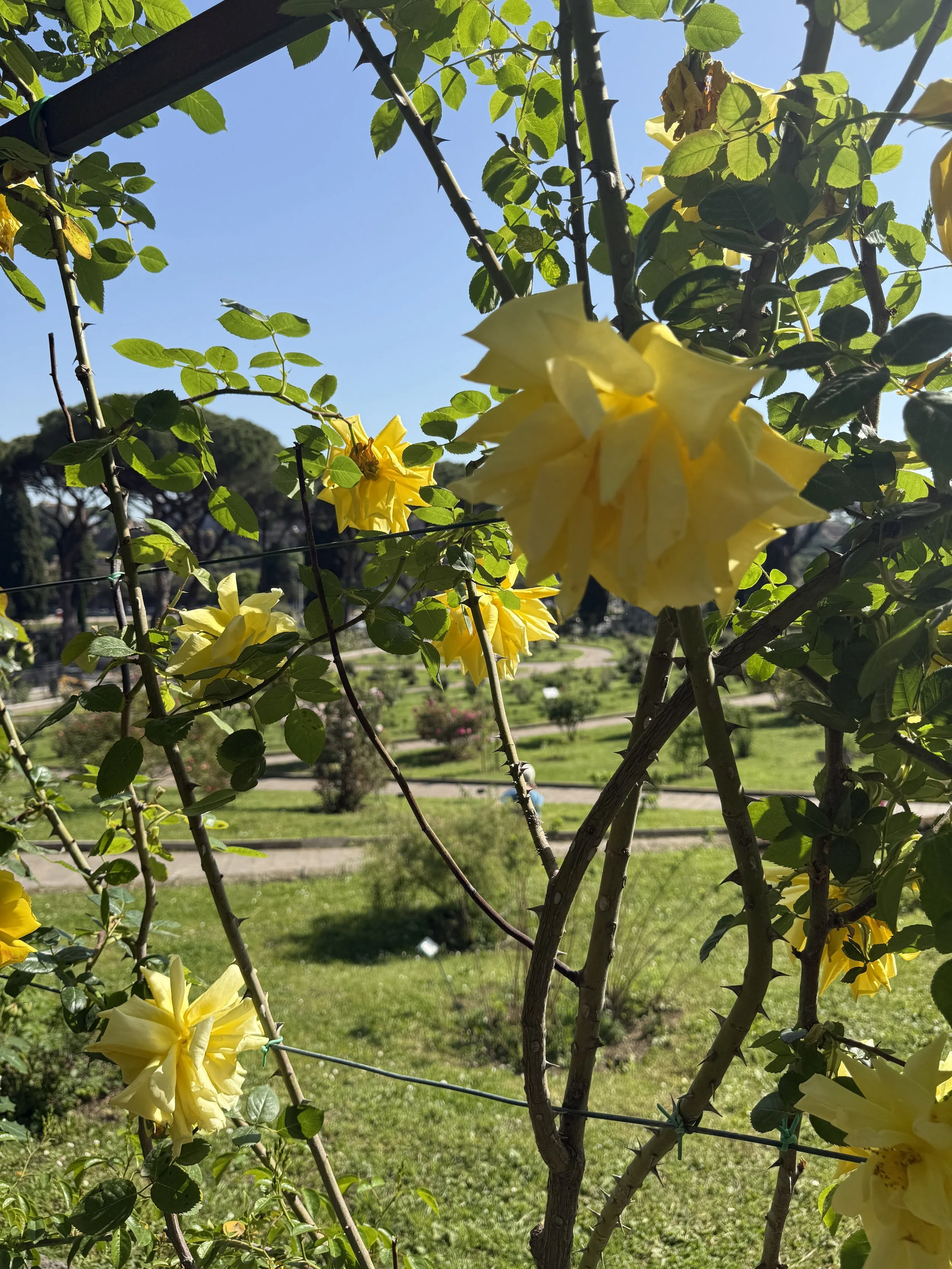
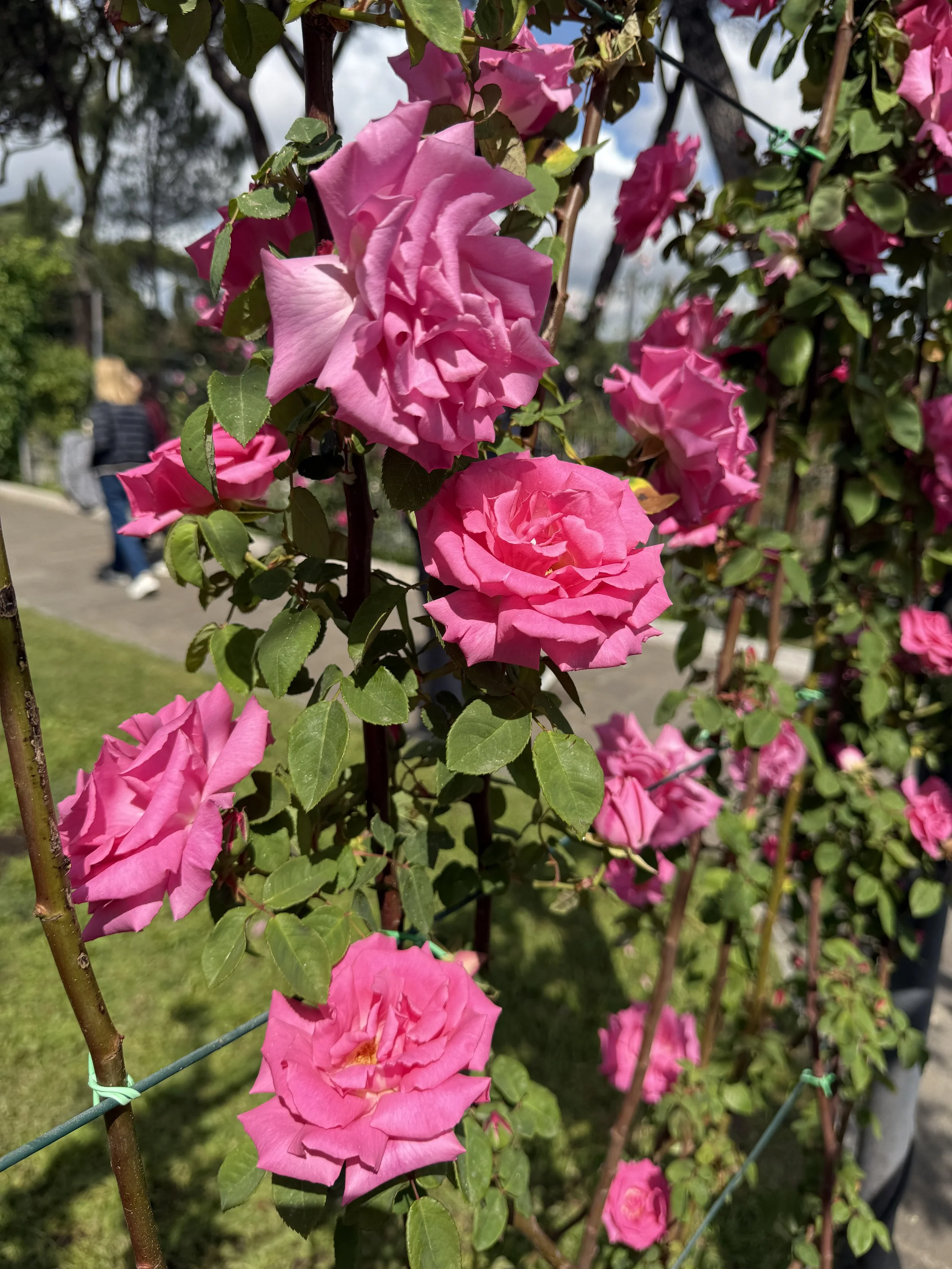
Today the garden contains more than 1,100 varieties of roses from around the world. Some are ancient botanical species that date back centuries, while others are newly cultivated varieties created by international rose breeders. Each year Rome hosts the Premio Roma, an international rose competition where new varieties are judged before being introduced globally.Wandering the garden in May, you’ll find everything from delicate climbing roses arching over pergolas to deep crimson blooms, pale apricot petals, and tiny wild roses tucked along the paths. The scent alone is worth the visit.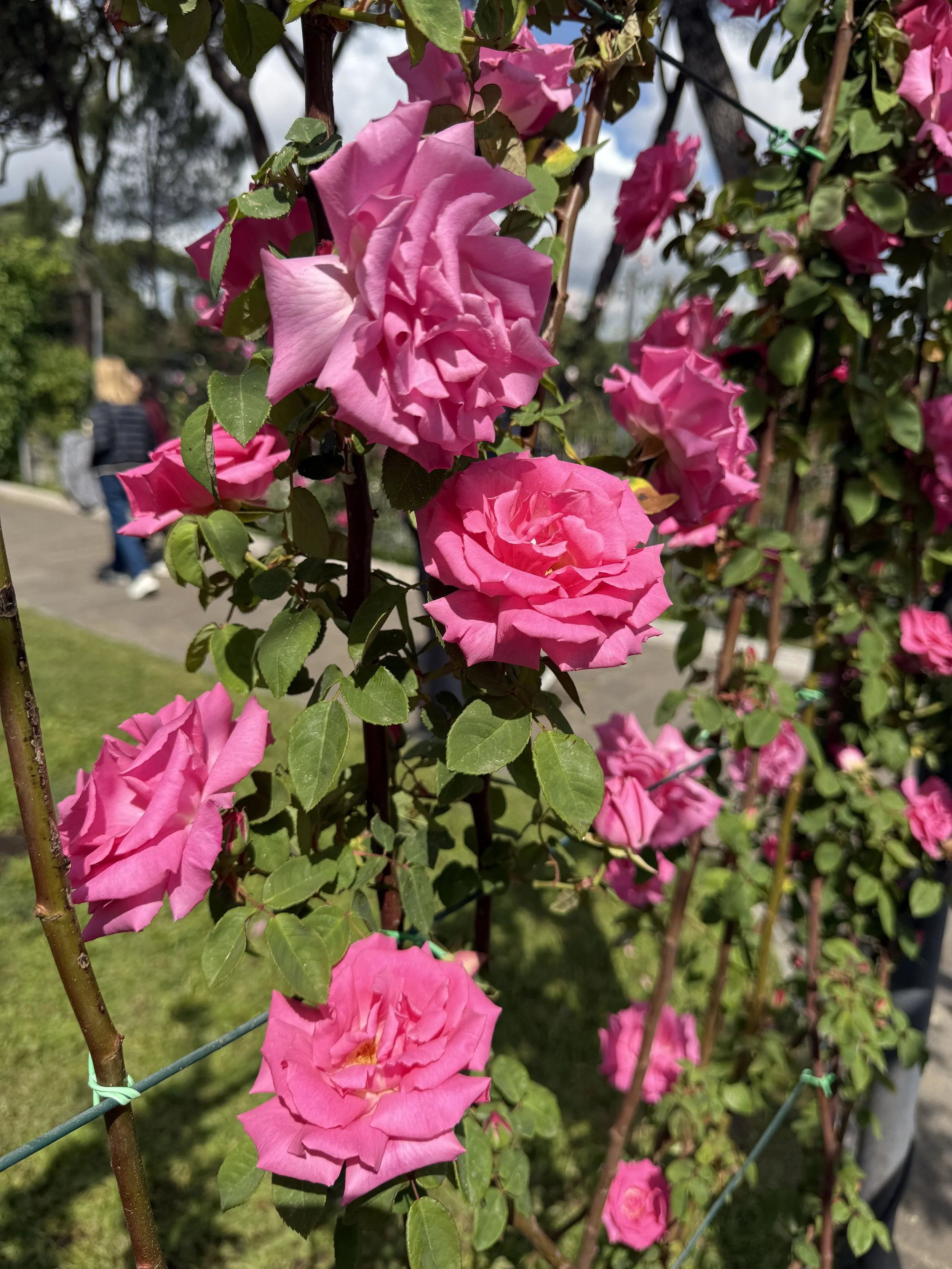
One of Rome’s Most Beautiful Views
What makes the rose garden especially magical is its setting. From the upper terraces you can see across Circus Maximus, the Palatine Hill, and the ruins of imperial Rome. The view feels almost cinematic — ancient stone, green hillsides, and layers of Roman history unfolding below you. And yet, the garden itself remains remarkably calm.People wander slowly between the beds, photographers crouch beside particularly perfect blooms, and locals sit quietly on benches enjoying the sun. It’s the kind of place that invites you to slow down.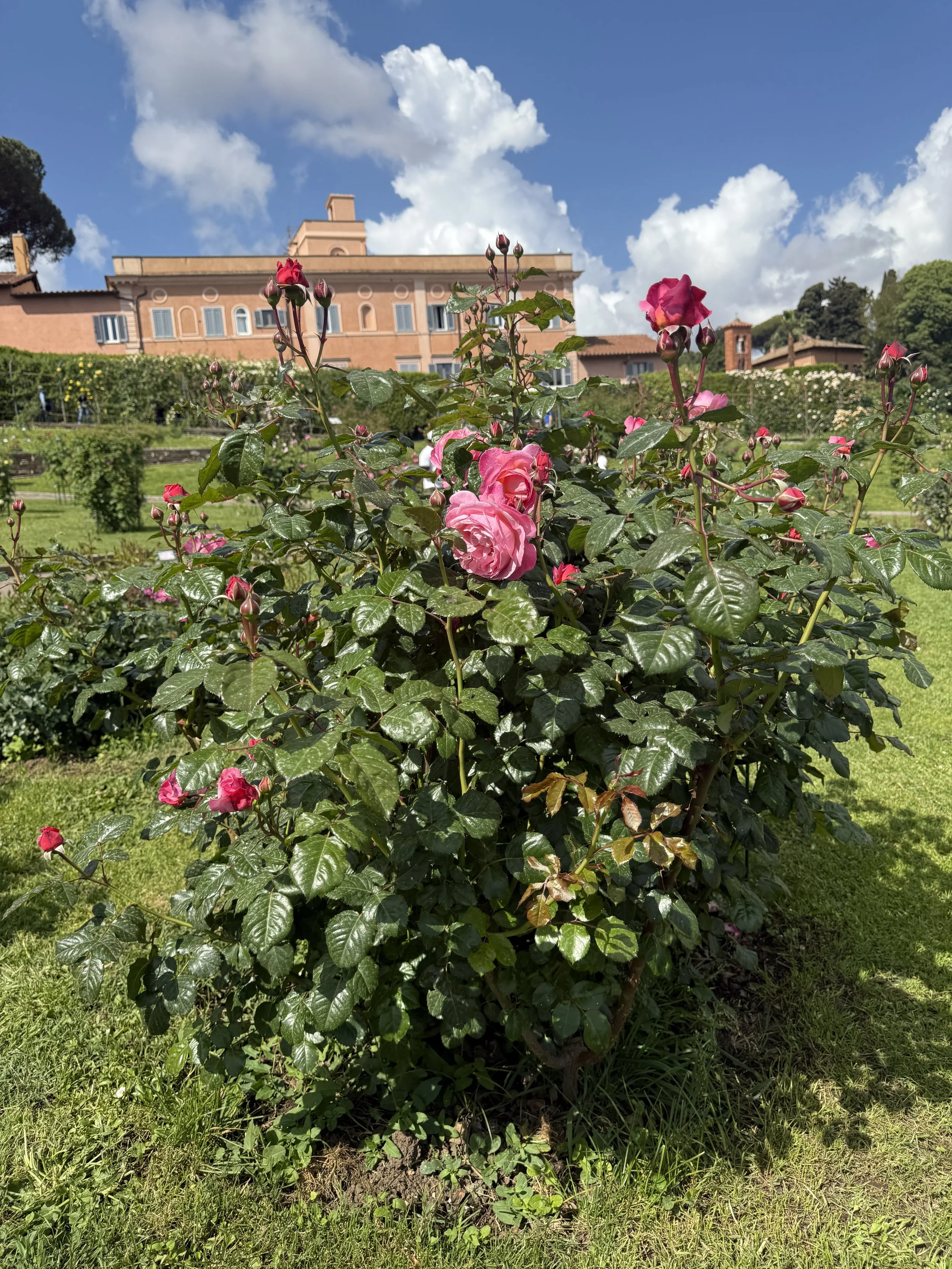
A Perfect Stop on the Aventine Hill
The rose garden sits at the base of the Aventine Hill, making it an easy stop while exploring this quieter corner of Rome. Just a short walk away you’ll find:- The Orange Garden (Giardino degli Aranci), with one of Rome’s most famous sunset views- The Knights of Malta Keyhole, where a perfectly framed view of St Peter’s dome appears through a garden gate- The peaceful basilica of Santa Sabina
Together they make for one of the loveliest spring walks in the city.Visiting Rome’s Rose Garden
The garden is only open for a short season each year, typically from late April through mid-June, when the roses are in bloom.Location: Via di Valle Murcia, Aventine HillNearest metro: Circo MassimoEntry: FreeBecause the opening period is so brief, visiting feels a little like catching a seasonal ritual — a moment when the city briefly fills with colour before the Roman summer heat arrives.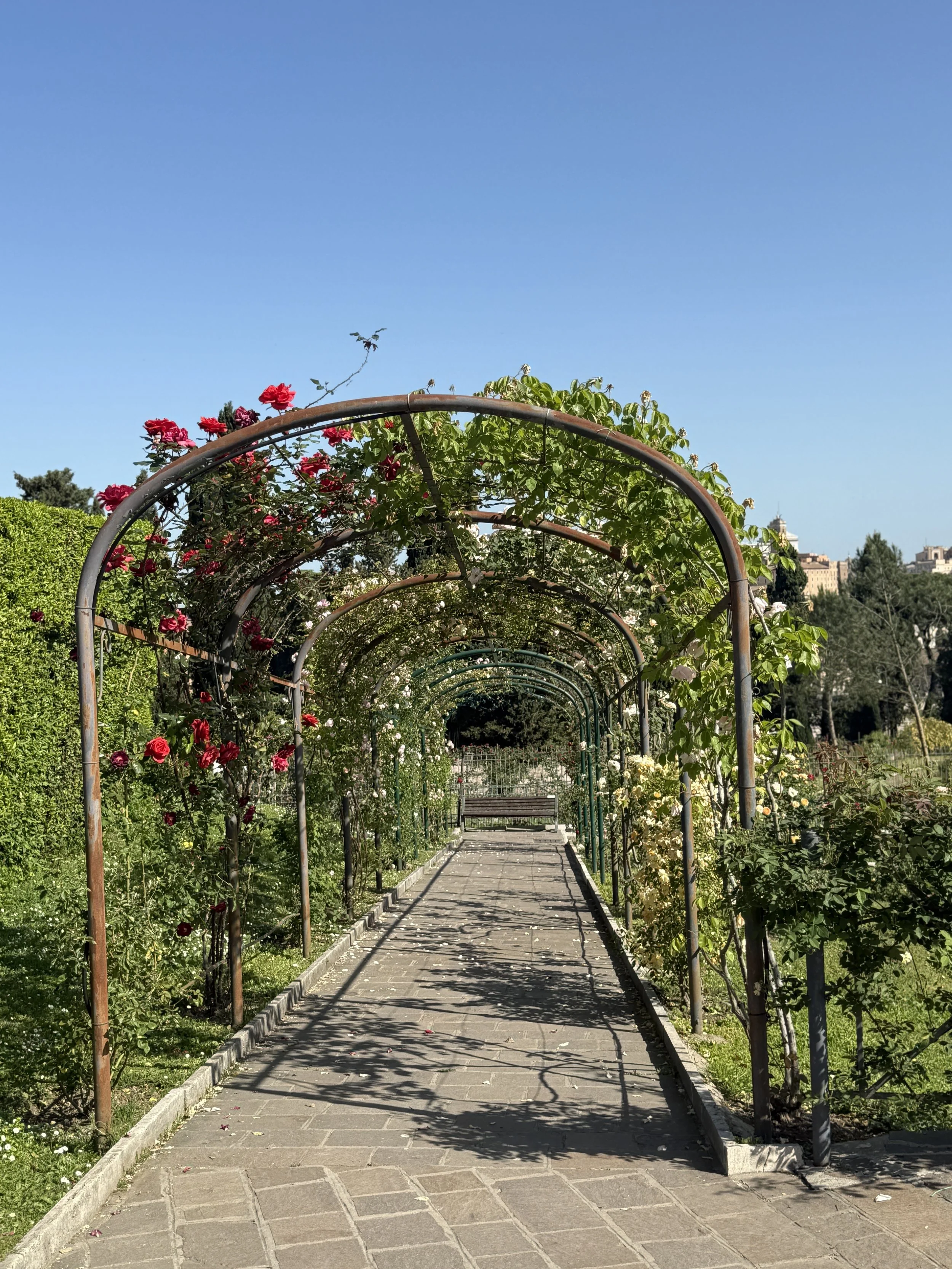
A Quiet Spring Tradition
In a city filled with monumental ruins and grand museums, Rome’s rose garden feels refreshingly simple. It’s just a hillside, a few winding paths, and thousands of roses opening toward the sun. But knowing the history beneath the garden, the memory of the Jewish cemetery and the menorah-shaped design woven through its paths, adds another layer of meaning to the visit.It’s a place where beauty, history, and quiet reflection come together. And in Rome, those moments are often the ones you remember most.